




What’s the Difference Between Traditional and Cinematic Photography?

Photography is the science, practice, and art of making pictures out of light. This can be done chemically with a substance like photographic film or electronically with an image sensor.
There are different types of wedding photography styles. Depending on what the photographer wants to accomplish, the goal of photography might change.
What are Cinematic and Traditional photography?
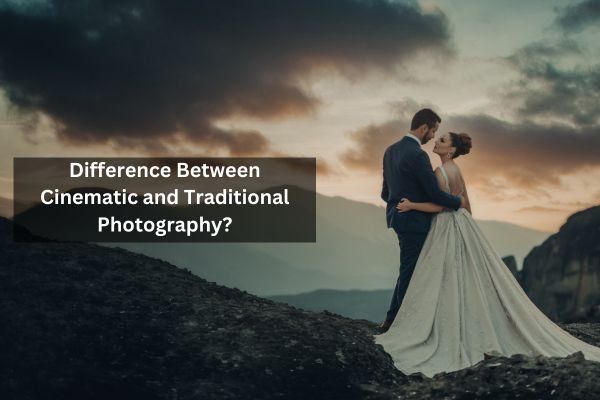
“Cinematic photography” is a style of photography that resembles still photographs or movie clips. It is employed to provide the appearance of movement and elicit an emotional reaction from the spectator. To achieve the intended look, it makes use of methods including slow shutter speeds, panning, zooming, angles, framing, and colour. The ability to communicate a tale also depends on the backdrop and context.
The capacity of cinematic photography to create more immersive visual narratives has made it popular during the past ten or so years. The defining elements of this storytelling technique are angles and framing, while color creates an atmosphere that supports the story.
“Traditional photography” covers the first techniques for taking pictures on film. Using a camera obscura and vintage photographic techniques like daguerreotypes and tintypes are examples of this. Because it takes more expertise to create a decent image, traditional photography is frequently considered to be more “artistic” than modern photography.
A camera obscura is used in traditional photography to project an image onto film or paper. A negative picture is then produced by exposing the film or paper to light. This negative image may be developed into a positive one using a variety of photography techniques.Wide-ranging landscapes, still life shots, strictly artistic portraits, and other subjects are common in this kind of photography.
How is cinematic photography different from Traditional photography?
Both photography and cinematography are imaginative disciplines that requirement for a top to bottom information on composition, lighting, and story. What each discipline records decide how the two contrast: photos are many times static pictures that record individuals, areas, and articles. Shooting or carefully recording moving pictures, basically for TV or film, is alluded to as cinematography. Photography focus on making actually photos, though cinematography focuses on making visuals for movement films.
Driving lines, corner-to-corner lines, and the standard of thirds are only a couple of the unique outlining and piece techniques that are consistently utilized in realistic photography to create tastefully engaging photos that guide the watcher’s focus toward specific highlights. While traditional photography might utilize equivalent compositional standards, it often zeros in more on catching the subject in a straightforward and engaging way.
Traditional photography
How Does Traditional Photography Get Captured?

In traditional photography, light is captured and pictures are produced using a camera with film or digital sensors. Digital photography transforms the collected light into digital data using a sensor, whereas film photography depends on light travelling through the camera’s lens onto light-sensitive film.
How Does Traditional Photography Look Like?
The final photographs authentically show the scene as it was at the time of capture and have a natural, untouched appearance. The final result relies on the photographer’s skill, the settings they choose, and the lighting. The main objective of these photos is to correctly and attractively reflect the topic. They can range from vivid and detailed landscapes to private and personal portraiture. Traditional photography values the skill of capturing fleeting moments and immortalising them for future generations, creating a timeless and nostalgic feeling.
Cinematic Photography
How Does Cinematic Photography Get Captured?
Realistic photography utilizes strategies acquired from the entertainment world to create tastefully shocking and story-driven photographs. This sort of photography centers around the cautious utilization of lighting, piece, and post-handling to inspire sentiments and make a film climate.

Photographic artists skillfully utilize fake and normal lighting to make various mind-sets and emotional impacts. They utilize sensible lights, backdrop illumination, side lighting, and different methods to cause circumstances that spellbind watchers and manoeuvre them into the casing.
How Does Cinematic Photography Seem to Be?
Pictures made utilizing realistic photography look like stills from a film and view with their dominance of narrating, emotional lighting, interesting organizations, and extraordinary taste. Through distinctive, striking pictures, it tries to recount stories or excite strong feelings.
Which is better, Cinematic Photography or Traditional Photography?
Cinematic Photography Pros and Cons
Pros of Cinematic Photography
1. Visual Impact: Cinematic photography excels in creating pictures that leave a lasting visual impact, elicit powerful feelings, and pull viewers into the situation.
2. Narrative Quality: Cinematic photography may transmit storylines or certain moods by using filmmaking methods, which makes the photographs more captivating and immersive.
3. Dramatic Lighting: When lighting methods are used expertly, the images get depth and drama, which heightens the filmic feel and attractiveness.
4. Creative Expression: Cinematic photography gives photographers a platform to share their artistic vision and creativity, producing striking and beautiful compositions.
5. Engaging Compositions: The photographs are aesthetically fascinating thanks to dynamic framing and well selected perspectives that assist draw viewers’ attention and evoke a sense of movement.
Cons of Cinematic Photography
1. Time Consuming: Especially when employing complex lighting settings and intensive editing, achieving the desired cinematic aesthetic frequently requires extra time during the photography and post-processing.
2. Over-Processing: Some photographers over-process their photographs to achieve a cinematic appearance, which detracts from the authenticity and naturalness of the finished images.
3. Limited Applicability: While cinematic photography excels in aesthetic expression and narrative, it may not be appropriate for other types of photography, including documentary and candid photography.
4. Technical Expertise: A certain level of technical expertise and understanding of lighting, composition, and post-processing are necessary to master the principles of cinematic photography.
Traditional Photography Pros and Cons
Pros of Traditional Photography
1. Authenticity: Traditional photography ordinarily catches occasions and conditions in a more crude and genuine manner, maintaining the subject’s legitimacy.
2. Timelessness: Traditional symbolism is persevering and emotive on the grounds that it is classic and immortal highlighting that individuals, everything being equal, can appreciate.
3. Faster Outcomes: Advanced conventional photography considers quick audit and assessment of the pictures, considering any expected retakes and adjustments.
4. Versatility: Traditional photography might be utilized for many purposes, from scene and representation photography to narrative and road photography, as it is versatile to numerous different sorts and classes.
Cons of Traditional Photography
- Film photography’s improvement time for negatives and prints might be longer than advanced photography’s prompt outcomes.
- Film photography confines the speed at which pictures might be assessed, which could be a weakness in circumstances when feedback is vital.
- While conventional photography might be monetarily feasible over the long haul, there might be a considerable starting use for cameras, focal points, and film or computerised gear.
Conclusion:
For the purpose of to create immersive visual narratives, cinematic photography imitates still photos or movie frames. To create the desired appearance, it makes use of techniques including slow shutter speeds, panning, zooming, angles, framing, and colour. Contrarily, traditional photography prioritises taking still pictures and recording images for moving pictures. Cinematic photography borrows techniques from the film industry to create visually appealing and narrative-driven images, putting special emphasis on the thoughtful use of lighting, composition, and post-processing to evoke emotions and build a movie atmosphere.
Wedium, the best Wedding photographer in Puri, emphasises the need of avoiding typical wedding photography errors and utilising various wedding photography methods. Traditional photography concentrates on taking still images of people, places, and things, whereas cinematography concentrates on producing visuals for moving pictures.
In comparison to traditional photography, cinematic photography has a number of benefits, including visual impact, narrative quality, dramatic lighting, creative expression, and interesting compositions. Cons include time commitment, resource constraints, excessive processing, restricted application, and technical expertise. In conclusion, both cinematic and traditional photography have advantages and disadvantages, making them both necessary for getting distinctive and compelling photos.